
The Importance of Accurate Diagnosis in Oral Surgery
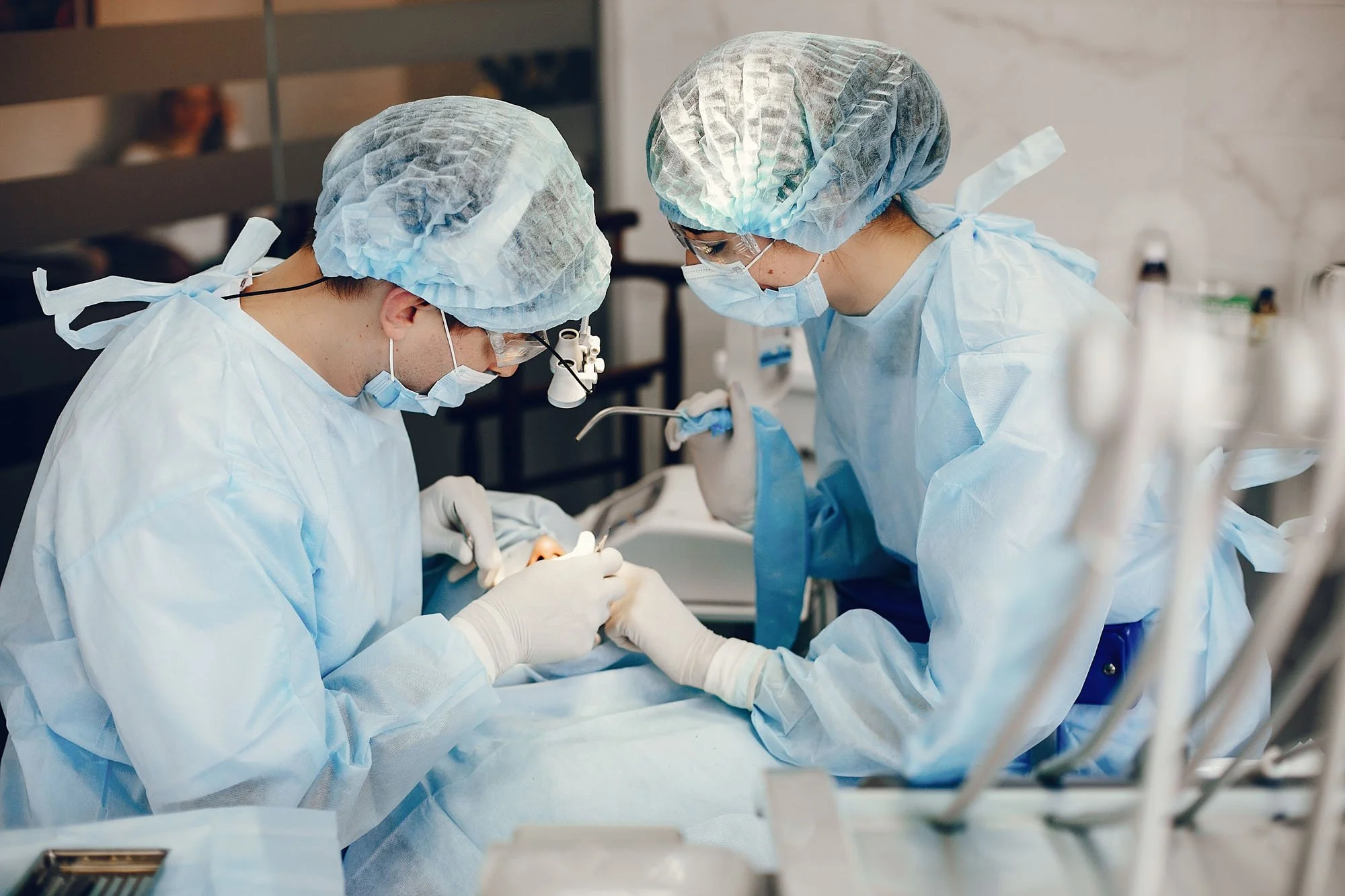
Accurate diagnosis forms the foundation of every successful oral and maxillofacial surgery (OMS) procedure. It allows clinicians to identify underlying structural or pathological conditions that may not be visible through a simple clinical examination. In Wangaratta, oral surgeons combine advanced imaging, clinical evaluation, and multidisciplinary collaboration to ensure that each surgical plan is based on clear, evidence-based findings.
Without precise diagnosis, treatment planning and surgical outcomes can be unpredictable. Accurate assessment supports safe and effective care across all stages of oral surgery.
Diagnostic Tools and Techniques
Modern OMS relies on a combination of visual inspection, radiographic imaging, and digital technology. Cone beam computed tomography (CBCT), panoramic X-rays, and intraoral scanners provide detailed three-dimensional information about bone structures, nerve pathways, and soft tissue conditions. These insights help oral surgeons understand the full extent of a condition before developing a treatment strategy.
In Wangaratta, local OMS practices incorporate these tools into standard diagnostic protocols, ensuring that each case is evaluated comprehensively within a clinical and anatomical context.
Collaboration Between Specialists
Accurate diagnosis often involves cooperation between oral surgeons, radiologists, and dental professionals. This multidisciplinary approach allows for a complete understanding of both dental and medical factors influencing the condition. For example, assessing jaw disorders or cystic lesions may require input from imaging specialists and pathologists to confirm findings before any surgical planning begins.
Such collaboration strengthens diagnostic confidence and promotes consistency in decision-making within regional healthcare networks.
The Role of Technology in Diagnostic Precision
Digital advancements have improved diagnostic capabilities across all areas of oral surgery. Software platforms now allow surgeons to integrate imaging data with virtual surgical planning, creating a clear representation of anatomical structures. This digital precision helps anticipate potential challenges and refine procedural accuracy.
For regional practices in Wangaratta, access to advanced diagnostic technology ensures that patients receive assessments aligned with the same standards found in metropolitan centres, reinforcing the quality of regional healthcare services.
Patient Communication and Informed Understanding
Effective diagnosis also involves clear communication. When patients understand the nature of their condition, they can make informed decisions in consultation with their oral surgeon. In Wangaratta, practitioners emphasise transparency and education, ensuring that diagnostic findings are explained in accessible, non-technical language while avoiding any personal medical recommendations.
This approach builds trust and encourages a collaborative understanding between patient and clinician, forming the basis for safe and confident surgical planning.
Commitment to Diagnostic Excellence
Accurate diagnosis remains one of the most critical elements of oral and maxillofacial surgery. Through continual technological improvement, professional training, and community collaboration, regional centres such as Wangaratta uphold the highest diagnostic standards. These efforts ensure that each surgical procedure begins with clarity, precision, and a strong foundation of knowledge.
Disclaimer: This content is for general educational and informational purposes only and is not medical or dental advice. Always consult a licensed oral and maxillofacial surgeon.