
Research Developments in Oral and Maxillofacial Science
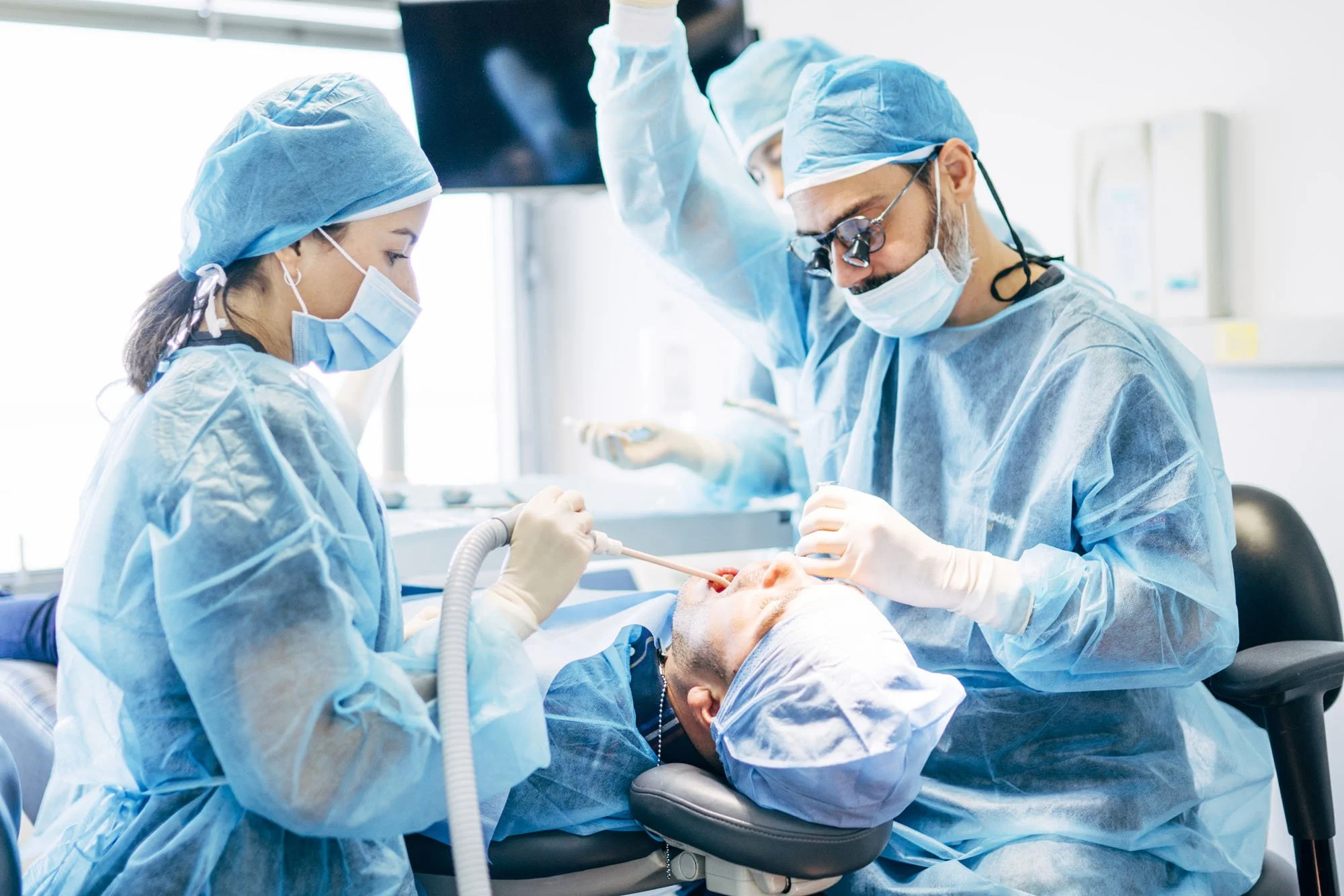
Oral and maxillofacial surgery (OMS) continues to evolve through research that explores the biological, technological, and clinical aspects of facial and dental structures. Across Australia, and particularly in regional Victoria, research initiatives have helped refine surgical precision, improve healing processes, and develop materials that integrate seamlessly with human tissue.
In Wangaratta, regional practitioners benefit from access to these scientific advancements through collaborations with universities, research institutions, and professional associations. This ongoing exchange of knowledge ensures that clinical care remains informed by current evidence and innovation.
Focus Areas in OMS Research
Research in oral and maxillofacial science spans a wide range of topics, including bone regeneration, implant design, tissue engineering, and digital surgical planning. These studies aim to improve long-term stability, reduce recovery times, and enhance the predictability of complex procedures.
Biomechanical studies continue to advance understanding of how the jaw and facial bones respond to different stresses. Similarly, cellular biology research explores how bone and soft tissues regenerate after surgery, forming the foundation for new grafting and implant techniques used in modern clinical practice.
The Role of Technology in Research
Digital tools have revolutionised how oral surgeons and researchers collect and analyse data. Three-dimensional imaging, virtual modelling, and computational simulation allow for detailed visualisation of surgical procedures before they take place. In Wangaratta, oral surgery practices increasingly incorporate digital technologies developed through national research programs, aligning local care with global standards.
Data-driven research also contributes to safety improvements. By analysing surgical outcomes and procedural variables, researchers help refine techniques that support consistency and minimise risk.
Collaboration Between Research and Clinical Practice
Effective research depends on collaboration between academic institutions and clinical professionals. Many oral and maxillofacial surgeons contribute to research by publishing case studies, participating in clinical trials, and mentoring postgraduate students. This partnership ensures that new discoveries are tested, validated, and applied responsibly in real-world settings.
Regional surgeons in Wangaratta often participate in professional networks that share data and outcomes, supporting evidence-based practice throughout Victoria’s healthcare system.
Emerging Directions in OMS Science
The next generation of research focuses on regenerative medicine, biomaterials, and artificial intelligence. Scientists are exploring how stem cell technology and nanomaterials might improve bone and soft tissue regeneration. AI-assisted imaging and diagnostic tools are also gaining prominence, helping clinicians interpret data more efficiently and with greater accuracy.
As this research progresses, regional centres like Wangaratta will continue to integrate new findings into practice, ensuring patients have access to scientifically advanced care supported by verified evidence.
Disclaimer: This content is for educational and informational purposes only and is not medical or dental advice. Always consult a licensed oral and maxillofacial surgeon.