
The Science Behind Bone Regeneration in Oral Surgery
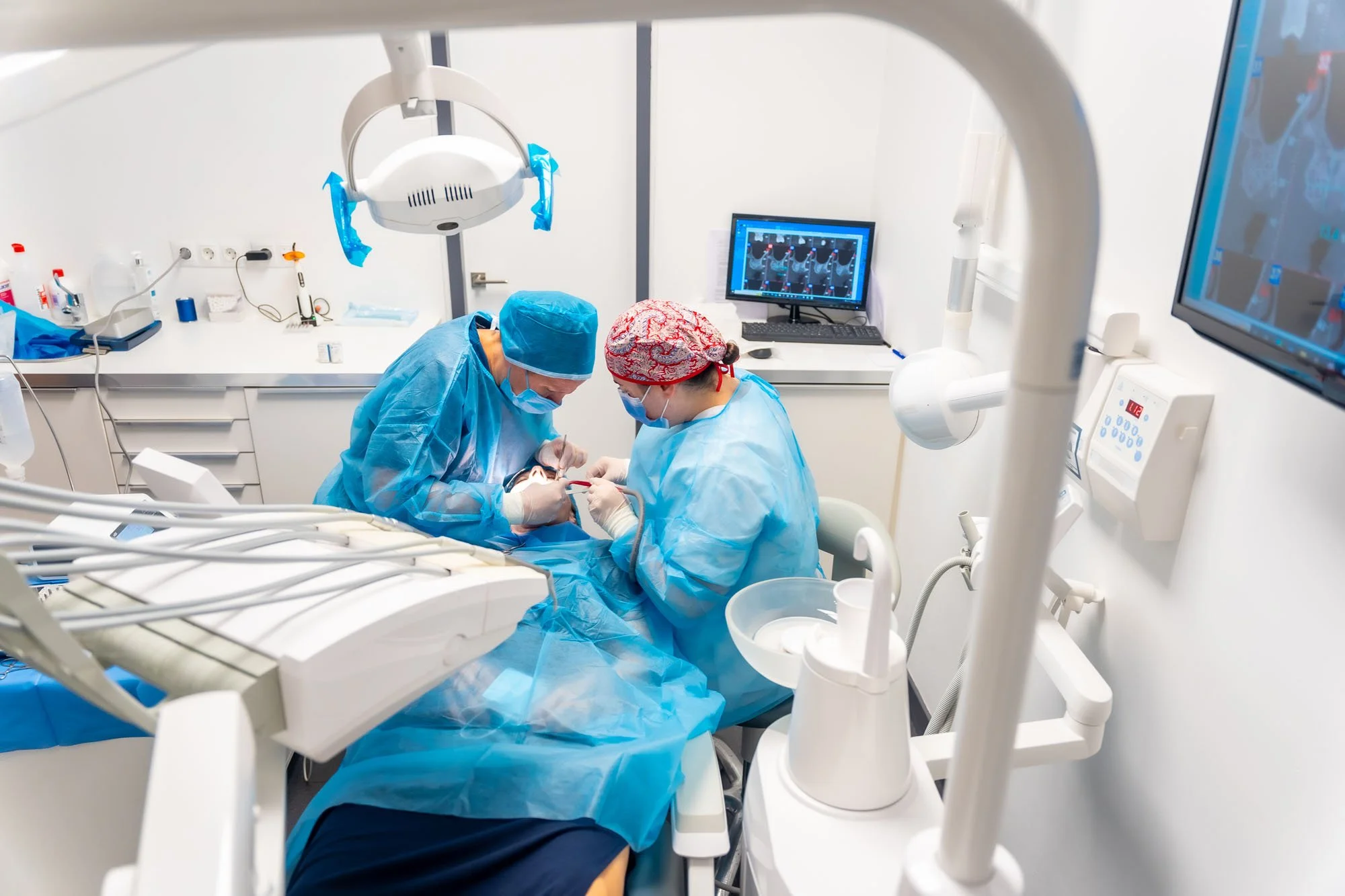
Bone regeneration is a critical aspect of oral and maxillofacial surgery, supporting procedures such as tooth extractions, implant placement, and jaw reconstruction. In Wangaratta, oral surgeons rely on evidence-based strategies to promote bone healing and structural stability while preserving surrounding tissues.
Bone regeneration involves the natural biological processes that replace or restore bone tissue lost due to trauma, disease, or surgical intervention.
Cellular and Molecular Processes
Bone healing begins with cellular activity, including the recruitment of osteoblasts and osteoclasts, which facilitate bone formation and remodeling. Growth factors and signaling molecules guide tissue regeneration, promoting the integration of grafts and implants. Understanding these biological mechanisms allows surgeons to optimise procedural planning and predict outcomes more accurately.
Techniques to Support Bone Growth
Oral surgeons employ various techniques to stimulate bone regeneration:
Autografts: Bone harvested from the patient, providing high compatibility and natural regenerative potential
Allografts: Donor bone used to support structural replacement
Synthetic grafts: Engineered biomaterials designed to encourage bone formation
Barrier membranes: Used to protect and guide bone growth in specific areas
These strategies are selected based on individual anatomical considerations, imaging data, and procedural objectives.
Role of Digital Planning
Digital imaging and planning support precise evaluation of bone quantity, quality, and anatomical landmarks. In Wangaratta, regional clinics utilise CBCT scans and 3D models to guide graft placement and optimise outcomes. This integration ensures procedures are performed with evidence-based precision and minimal risk to surrounding structures.
Clinical Implications
Bone regeneration underpins long-term success in oral surgery. Maintaining alveolar bone supports implant stability, restores jaw function, and preserves facial aesthetics. While individual outcomes vary, professional understanding of regenerative principles informs surgical evaluation and planning, ensuring that procedures align with best practices.
Future Perspectives
Research into biomaterials, growth factors, and stem cell therapies continues to expand the possibilities for bone regeneration. These advancements aim to enhance healing rates, improve structural outcomes, and provide new solutions for complex oral reconstructive procedures, benefiting regional practices in Wangaratta.
Disclaimer: This content is for educational and informational purposes only and is not medical or dental advice. Always consult a licensed oral and maxillofacial surgeon.