
History and Evolution of Oral and Maxillofacial Surgery
Early Developments in Oral Surgery
Oral and maxillofacial surgery (OMS) has evolved significantly over the past century. Early practitioners focused primarily on tooth extractions, management of facial trauma, and simple jaw procedures. These foundational practices laid the groundwork for modern surgical techniques and fostered the development of specialized training in oral and maxillofacial care.
In Wangaratta, early dental care relied heavily on general practitioners and community-based oral surgeons. Over time, the region has benefited from advances in surgical training, imaging technologies, and procedural protocols, creating a framework for high-quality oral healthcare.
Advancements in Surgical Techniques
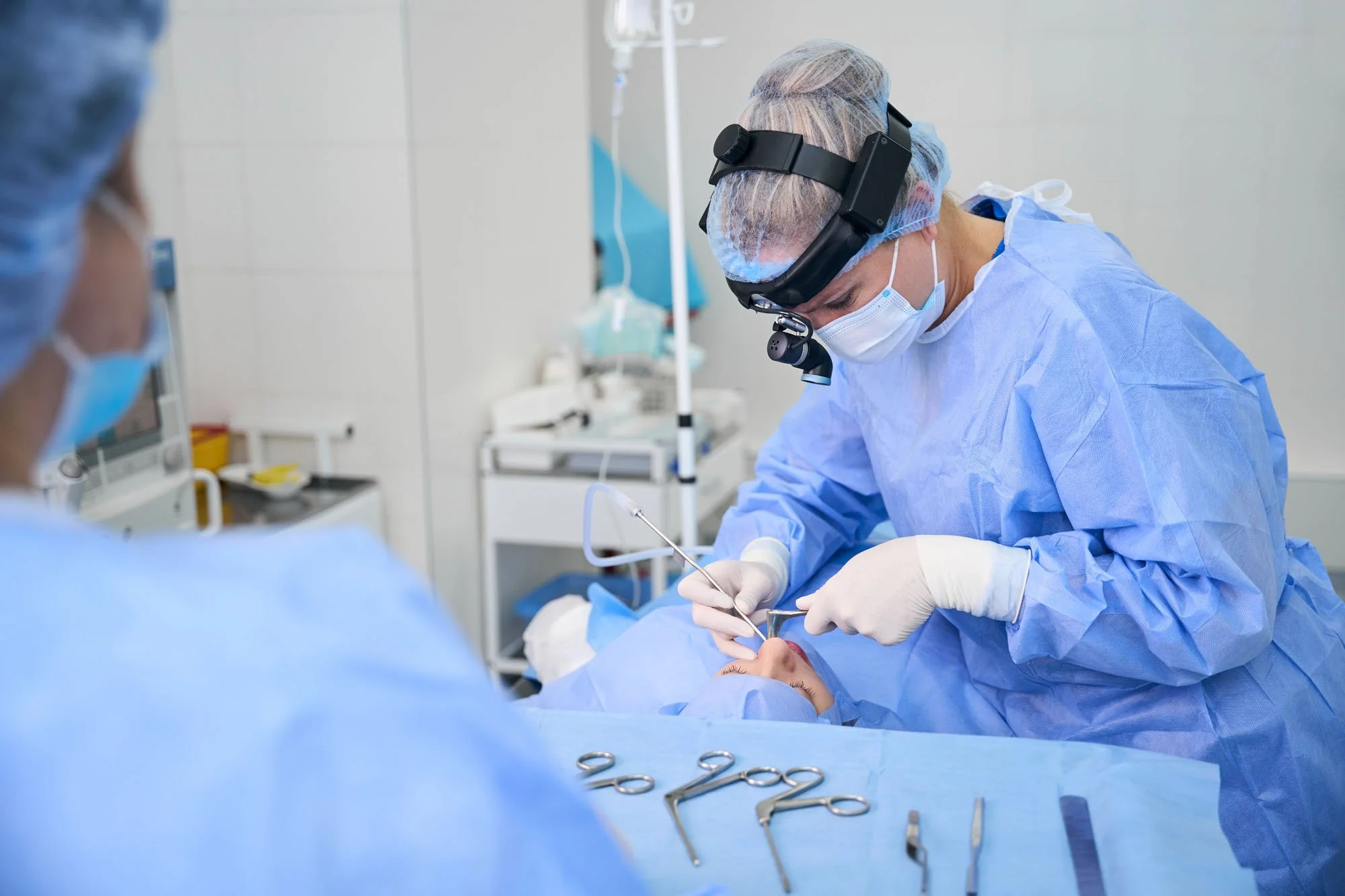
Technological progress has transformed OMS, enabling procedures that were once complex or risky to become safer and more predictable. Techniques such as rigid fixation for jaw fractures, advanced bone grafting, and implantology have expanded the scope of care. Surgeons now combine traditional surgical skills with modern innovations to improve patient outcomes, reduce recovery times, and enhance functional and aesthetic results.
The evolution of minimally invasive approaches has also influenced oral surgery in Wangaratta. Smaller incisions, precision instruments, and enhanced imaging allow surgeons to reduce trauma while maintaining high standards of care. These developments reflect a broader trend toward patient-focused and evidence-based surgical practice.
Professional Training and Specialization
The growth of OMS as a distinct specialty has been driven by structured training programs and professional standards. Oral surgeons complete extensive education in anatomy, pathology, surgical techniques, and patient management. In regional areas such as Wangaratta, these training pathways ensure that residents have access to highly skilled professionals capable of performing advanced procedures.
Continuing professional development and research involvement keep local practitioners up to date with innovations in surgical methods, materials, and technologies. This commitment to lifelong learning supports high-quality care and professional accountability.
Integration of Technology
Modern OMS integrates technology at multiple levels. Imaging modalities such as CBCT and 3D scanning facilitate accurate diagnosis and surgical planning. Digital workflows assist with implant placement, bone grafting, and orthognathic procedures. In Wangaratta, the adoption of these technologies has improved the precision, safety, and predictability of oral surgery, aligning regional care with global standards.
Community Impact and Service Expansion
The evolution of OMS has also influenced community access to specialized care. Local oral surgeons provide treatment for trauma, dental anomalies, and reconstructive needs, reducing the necessity for patients to travel to metropolitan centers. Outreach programs, public education, and community engagement further enhance awareness of oral health and available surgical services in the Wangaratta area.
Research and Future Directions
Ongoing research continues to shape the field of OMS, including studies on regenerative techniques, biomaterials, and minimally invasive surgical methods. Regional surgeons in Wangaratta participate in evidence-based initiatives that contribute to both local and broader scientific knowledge, supporting continuous improvement in patient care.
The history and evolution of oral and maxillofacial surgery highlight the field’s transformation from basic tooth extractions to advanced reconstructive, implant, and jaw procedures. Through professional training, technological integration, and community engagement, oral surgeons in Wangaratta deliver safe, effective, and evidence-based care while continuing to advance the specialty.
Disclaimer: This content is for general educational and informational purposes only and is not medical or dental advice. Always consult a licensed oral and maxillofacial surgeon.